
- Place (import) graphics The Place command is the primary method used to insert graphics into InDesign because it provides the highest level of support for resolution, file formats, multipage PDF and INDD files, and color. To place graphics is also referred to as import images and insert pictures.
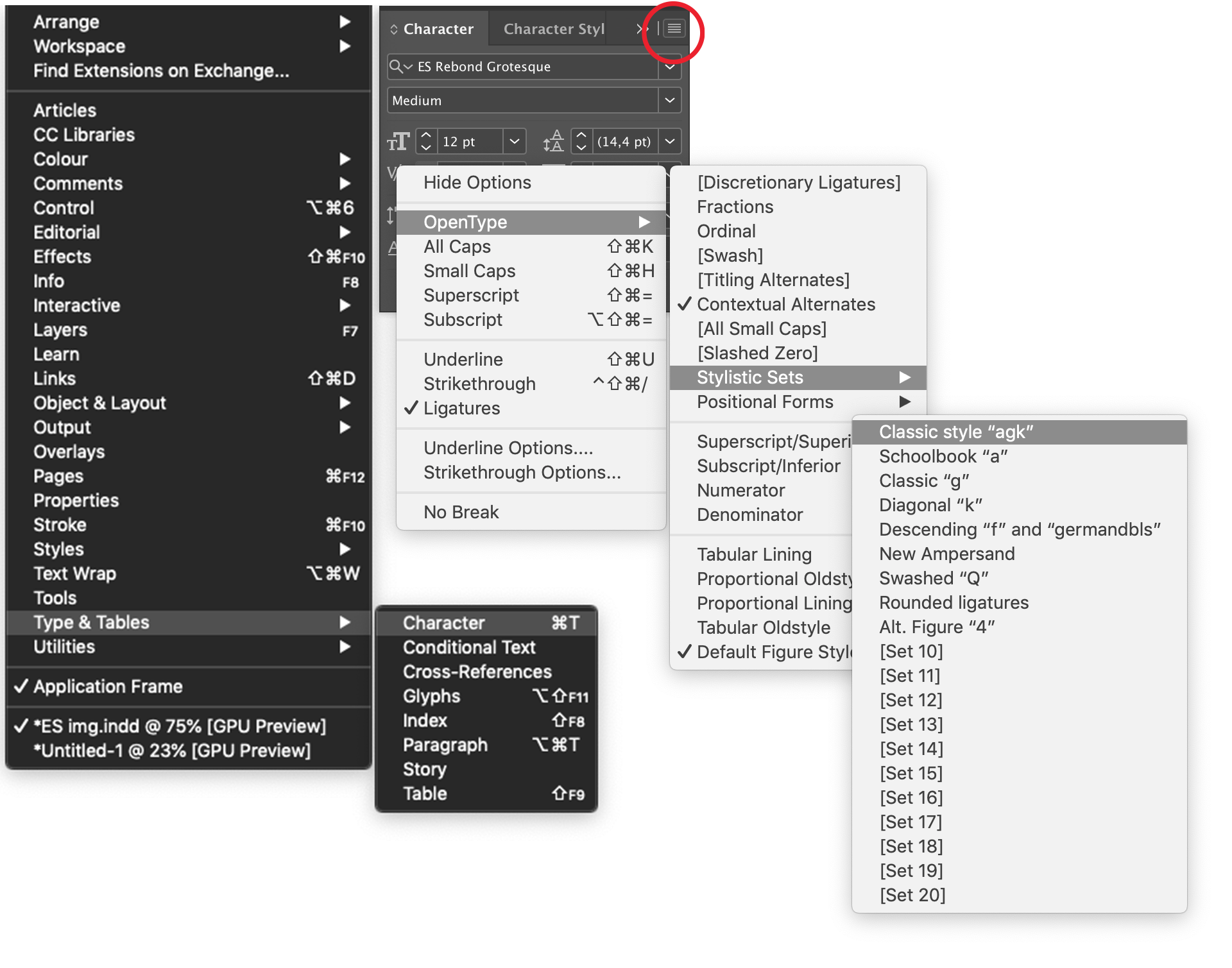
- If your system has a compatible GPU card, InDesign renders the document using the GPU by default and sets the Display Performance to High Quality. The enhanced performance from using the GPU in InDesign powers features like Animated Zoom which make zoom actions smooth and animated.
GPU-accelerated computing offers faster performance across a broad range of design, animation, and video applications. This means that you get a significant performance boost: InDesign runs faster and more smoothly than ever before. Want to work FASTER in Adobe InDesign?Whether you have vector graphics like illustrations and logos or raster images like photos in your layout, you might no.
Save time: preview, cull and rate pictures faster than ever before!
|
| FastPictureViewer Pro is the best companion to Adobe Lightroom and other digital asset management systems: use it to weed-out your pictures before importing them for development and editing. FPV Pro has all the tools you need to quickly decide if you want to keep an image or not: full color management for faithful color rendition, instant zooming to 100% and back, to check for sharpness, instant RGB histogram to evaluate the exposure, instant lost shadows / highlights view to see where the blocked-up shadows and burned-out highlights zones are located and their extent, and instant EXIF shooting data at a glance. | Click to enlarge! |
| Consider the following example: say you are a wedding or sports photographer coming back from an assignment with 1000 raw images, taken with a contemporary DSLR (16-20MP range). Your first task is to review those images and select the ones deserving to be further processed. Let's assume you'll pick 10% of the images for processing and printing. You have a contemporary computer with a fast processor and fast disks (for example an Intel i7 machine, with one SSD and a fast SATA drive). In this example, using FastPictureViewer Pro before Adobe Lightroom to weed-out the 90% of images that you are not going to process right away makes you save about 50 minutes on a 1000 images job. The majority of the saving comes from not importing all images in Lightroom and wait, then delete or set aside the one you don't want. Delete or set aside in FastPictureViewer Pro, then import only the images you intend to keep or process right away into Lightroom. |
|
In practice the time saving can be even greater, thanks to the very efficient and speedy operations of FastPictureViewer, which virtually never makes you wait: for example the rating feature, where you give one to five stars to an image or assign it a color label, is instantaneous. If you use the single-click file copy function, you'll find that the program performs the copy operations in background without making you wait, effectively making the file copy appear instant. Everything in FastPictureViewer was designed for speed and efficiency!
The ratings, captions, keywords and color labels set in FastPictureViewer Professional will be readily imported into Adobe Lightroom and other DAM software, thanks to the industry-standard Adobe XMP metadata standards those programs adhere to, making FastPictureViewer Pro the perfect time-saving front-end companion to Adobe Lightroom and other DAM's image development and picture organization features!
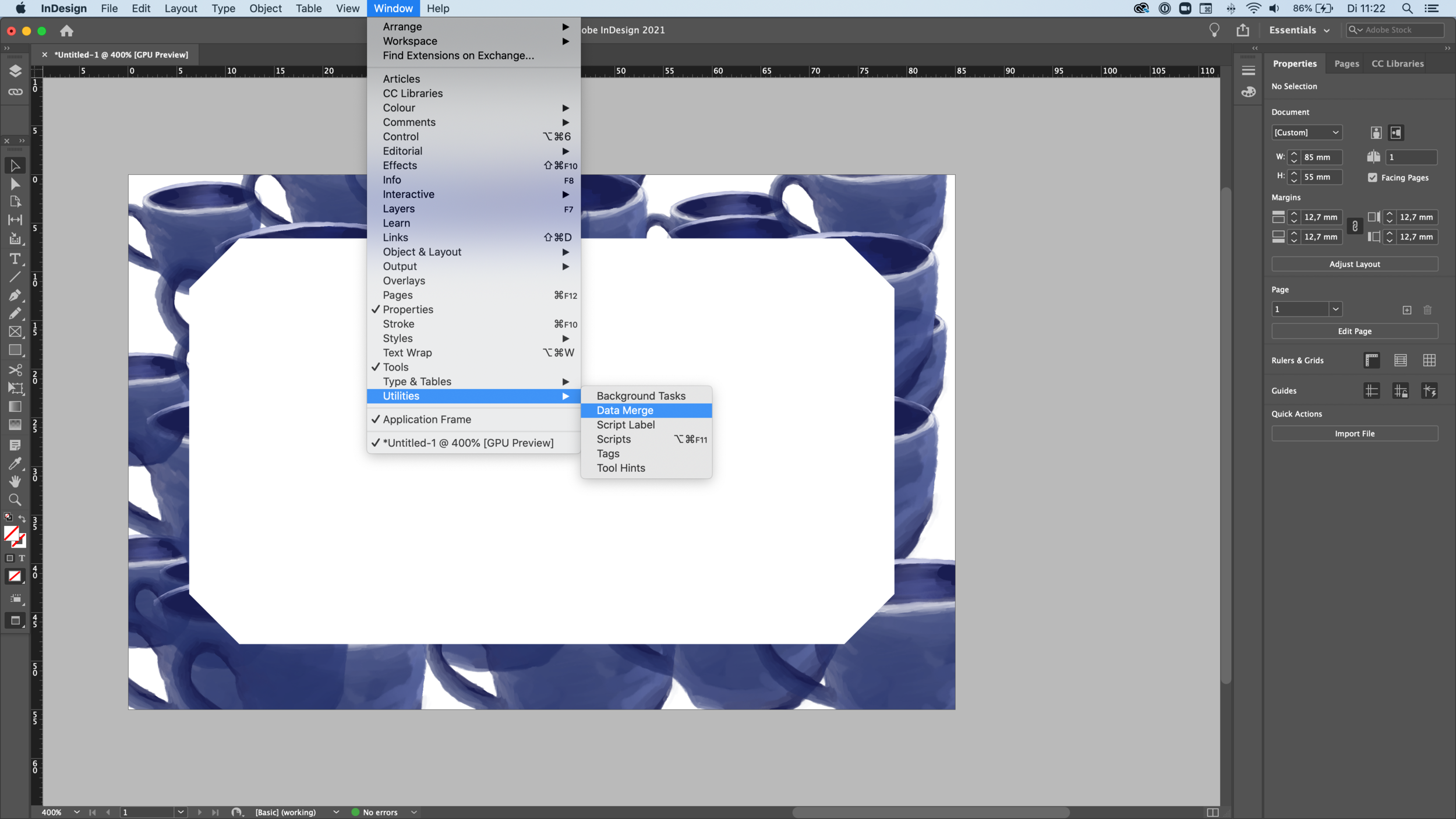.png "Gpu indesign tutorial")
The Vulkan registry contains formatted specifications of the Vulkan API, header files, API reference pages, the reference card, and related documentation. The registry also links to the GitHub repository where the sources for these documents can be found.
Graphics and compute shaders for Vulkan are defined using an intermediate representation called SPIR-V, for which specifications and headers are published in the SPIR-V Registry. There are a variety of compilers and other tools for generating SPIR-V code. We encourage developers to explore related Vulkan material starting at the top-level Vulkan landing page.
The GLSL Shading Language GitHub repository contains OpenGL Shading Language extensions to be used with an offline GLSL compiler generating SPIR-V code for use with Vulkan. These specifications were previously maintained in the Vulkan-Docs repository and published in the Vulkan Registry.
Index to the Vulkan Registry page content:
- Vulkan Documentation and Extensions: Procedures and Conventions (the “Style Guide”)
- Vulkan 1.1 and Vulkan 1.0 Material
- Vulkan GitHub Repositories
- API and Extension Specification Repository
Vulkan 1.2 API Specifications
We currently publish the Vulkan API Specification in PDF and HTML forms. The single-file HTML documents are much slower to load than the corresponding chunked HTML documents, while the PDF is quickest to load and is suitable for offline use. Links into the specification from other documents and tools, such as the reference pages and the validation layers, currently target the single-file HTML document although we hope to target the chunked document eventually.
There are several versions of the Vulkan 1.2 Specification, as well as related Specifications and collateral material:
- Vulkan 1.2 Core API + all published Extensions(Chunked HTML)(PDF). (Single-file HTML) This Specification includes all registered Vulkan extensions which have been incorporated into the Specification Repository, including KHR, EXT, and vendor extensions.
- Vulkan 1.2 Core API(Chunked HTML)(PDF) (Single-file HTML)
- Vulkan 1.2 Core API + Khronos-defined Extensions(Chunked HTML)(PDF). (Single-file HTML) This Specification includes Khronos-defined KHR extensions such as the Window-System Interface Extensions used to post images to a display on different platforms and window systems.
Khronos Data Format Specification
The Data Format Specification (version 1.3) defines compressed texture formats used by Vulkan, and portions of that specification are incorporated into the Vulkan API Specification by reference.
Vulkan Documentation and Extensions: Procedures and Conventions
The Vulkan Documentation and Extensions: Procedures and Conventions document (colloquially, the “Style Guide”) defines mandatory and recommended conventions and best practices used in creating and modifying the API Specification and extensions. Authors wishing to write Vulkan extension specifications, or contribute to existing specifications, should familiarize themselves with and adhere to this document.
API Reference Pages

The Vulkan API Reference Pages describe how to use individual core API and extension commands. The goal is to define all commands and structures in the core API and extensions, although there may be some omissions. In addition to the format published here, it is possible to generate other formats from the reference page sources, such as PDF or Unix nroff man page sources.
- Vulkan API Reference Pages(HTML, one file per reference page)
Note: As of the 1.2.131 update, we have replaced the 1.1 reference pages with 1.2 reference pages.
The reference pages are generated by automatic extraction from the Specification source, and are not checked into GitHub. The set of pages linked above are generated from the 1.2 API Specification including all extensions, but sets of pages including arbitrary extensions can be generated in the same fashion as generating specifications including arbitrary extensions.
Vulkan 1.1 Material
We still maintain the Vulkan 1.1 Specification and related documents, which include:
- Vulkan 1.1 Core API + all published Extensions(Chunked HTML)(PDF). (Single-file HTML) This Specification includes all registered Vulkan extensions which have been incorporated into the Specification Repository, including KHR, EXT, and vendor extensions.
- Vulkan 1.1 Core API(Chunked HTML)(PDF) (Single-file HTML)
- Vulkan 1.1 Core API + Khronos-defined Extensions(Chunked HTML)(PDF). (Single-file HTML) This Specification includes Khronos-defined KHR extensions such as the Window-System Interface Extensions used to post images to a display on different platforms and window systems.
- The Vulkan 1.1 API Quick Reference is a compact document summarizing the Vulkan 1.1 API commands, structures, and enumerants. Note: The Quick Reference has not yet been updated for Vulkan 1.2.
- The InDesign sources for the 1.1 reference guide are also available, formatted as a .zip file.
Vulkan 1.0 Material
We still maintain the Vulkan 1.0 Specification and related documents, which include:
- Vulkan 1.0 Core API + all published Extensions(Chunked HTML)(PDF). (Single-file HTML) This Specification includes all registered Vulkan extensions applicable to Vulkan 1.0 which have been incorporated into the Specification Repository, including KHR, EXT, and vendor extensions.
- Vulkan 1.0 Core API(Chunked HTML)(PDF) (Single-file HTML)
- Vulkan 1.0 Core API + Khronos-defined Extensions(Chunked)(PDF). (Single-file HTML) This Specification includes Khronos-defined KHR extensions such as the Window-System Interface Extensions used to post images to a display on different platforms and window systems.
- The Vulkan 1.0 API Quick Reference is a compact document summarizing the Vulkan 1.0 API commands, structures, and enumerants.
- The InDesign sources for the 1.0 reference guide are also available, formatted as a .zip file.
Vulkan GitHub Repositories
API and Extension Specification Repository
Best file to save digital art astronaut. The Vulkan-Docs repository contains the Asciidoctor source for the Vulkan core API specification, and for registered Vulkan API extensions.
Indesign Gpu Zoom
All published extension specifications are included in the main git branch. Specifications and reference pages can be built with or without different combinations of extensions by appropriate invocation of the Makefile.
All versions of the Vulkan Specification can be generated out of the main branch.
Other branches in the repository are of historical interest only.
Registered and published extensions are listed below, grouped by Author/Vendor ID. The links are to extension reference pages; these pages are quick to load compared to the full Vulkan 1.2 Core API + all published Extensions Specification, and they link back to it if more information or context is needed. The list of links is generated based on the supported tags in xml/vk.xml in Vulkan-Docs, and may contain anomalies in the form of links to extensions marked as supported by a vendor, but whose specifications have not yet been merged into the Vulkan-Docs repository.
- KHR Extensions (Khronos)
- EXT Extensions (Multivendor)
- AMD Extensions (Advanced Micro Devices, Inc.)
- ANDROID Extensions (Google LLC)
- FUCHSIA Extensions (Google LLC)
- GGP Extensions (Google, LLC)
- GOOGLE Extensions (Google LLC)
- IMG Extensions (Imagination Technologies)
- INTEL Extensions (Intel Corporation)
- MVK Extensions (The Brenwill Workshop Ltd.)
- NN Extensions (Nintendo Co., Ltd.)
- NV Extensions (NVIDIA Corporation)
- NVX Extensions (NVIDIA Corporation)
- QCOM Extensions (Qualcomm Technologies, Inc.)
- QNX Extensions (BlackBerry Limited)
- VALVE Extensions (Valve Corporation)
Vulkan-Docs also contains the header files, API Registry, and reference page sources.
Header Files
For most developers, the C header files provided with a loader and/or driver package, such as the one defined in the loader and validation layers GitHub repository, are all that's needed. We also provide a canonical version of these headers corresponding to spec updates in the KhronosGroup/Vulkan-Headers repository. These headers also include a C++ header generated from the Vulkan-Hpp project.
This repository also includes a JSON file containing Valid Usage ID (VUID) tags (and corresponding valid usage statements) extracted from the specification sources. This is used only by the validation layer, at present.
All Vulkan headers provided by Khronos are ultimately generated from the Vulkan-Docs repository. If the headers in Vulkan-Headers aren't sufficient, you may clone the Vulkan-Docs repository and generate headers yourself, following instructions there. If you need to generate a customized version of the headers, modify the API Registry and scripts under xml/.
Note: there are two static headers included in Vulkan-Docs, vk_platform.h and vulkan.h. These are static headers that are not generated from the Vulkan-Docs repository.
API Registry
Vulkan defines an API Registry for the core API and extensions, formally defining command prototypes, structures, enumerants, and many other aspects of the API and extension mechanisms. The Vulkan Registry is used for many more purposes than most other Khronos API registries, and is the basis for generating the header files; Asciidoctor include files used in the Specification, and reference pages for interface definitions, parameter and member validity language, and synchronization language; and more.
The Registry is in an XML file called vk.xml and currently located in the Vulkan-Docs repository under xml/. This directory also includes a formal RELAX NG XML schema and scripts used to generate the various outputs.
Documentation of the XML schema is available.
Conformance Test Suite Repository
The VK-GL-CTS repository contains the source code for the Vulkan Conformance Tests. Note that while the CTS source code is freely available, you must be a Khronos Adopter and pay the Adopter Fee in order to use the Vulkan trademark for your implementation.
Loader and Validation Layers Repositories
There are several additional Khronos Github repositories containing Vulkan source code, libraries, and tools:
- The Vulkan-Headers repository contains a copy of the Vulkan XML API Registry and scripts for processing it, taken from the latest public specification update in the Vulkan-Docs project, and the corresponding generated Vulkan API headers.
- The Vulkan-Tools repository contains Khronos official Vulkan Tools and Utilities for Windows, Linux, Android, and MacOS.
- The Vulkan-ValidationLayers repository contains the Khronos official Vulkan validation layers for Windows, Linux, Android, and MacOS.
- The Vulkan-Loader repository contains the Vulkan loader that is used for Linux, Windows, MacOS, and iOS.
Gpu Indesign Crack
Sample Code Repository
The Vulkan-Samples repository contains sample code showing use of Vulkan, contributed by various Khronos members and other authors.
Other Repositories
Gpu Design
Other Khronos repositories containing Vulkan material include:
Gpu Indesign Windows
- The Vulkan-Hpp repository contains code used to generate vulkan.hpp, a C++ binding for Vulkan. A version of vulkan.hpp is included in the Vulkan-Headers repository.
Providing Feedback on the Registry
Khronos welcomes comments and bug reports. To provide feedback on the Vulkan registry itself (such as reporting missing content, bad links, etc.), file an issue in the Vulkan-Web-Registry Github project.
Gpu Indesign 2019
For the Vulkan Specification or other documentation and tools, file an Issue on the appropriate GitHub Repository.